Uncovering Pathivara Temple's History: A Glimpse Into Nepal's Sacred Past
Pathivara Temple, a truly special place in eastern Nepal, draws many people. It stands as a significant site for those who follow Hindu and Buddhist paths, offering a chance to connect with something much older. This particular shrine, dedicated to Goddess Pathivara, often called Maa, holds a very deep place in the hearts of many. It is, you know, a spot where stories of devotion and history come together in a very real way.
This sacred spot, sometimes known as Mukkumlung by local Limbu people, is one of Nepal's most important Hindu temples. It sits high up on Taplejung Hill, offering views and a feeling of peace that, well, is really quite something. People from all over Nepal and even from India make the journey, especially on certain important days, to be there. They come seeking blessings and to experience the unique atmosphere of this revered location.
Today, May 15, 2024, the temple continues to welcome visitors, much as it has for centuries. Its long story, the legends that surround it, and the very structure of the temple itself tell a tale of enduring faith. Learning about Pathivara Temple's history helps us appreciate its importance, not just as a place of worship, but also as a part of Nepal's rich cultural fabric. It's a place that, you know, really shows how history and belief intertwine.
Table of Contents
- The Deep Origins of Pathivara Temple's History
- Where Pathivara Temple Stands
- The Importance of Pathivara Temple
- The Pilgrimage to Pathivara
- Modern Times and Temple Life
- Questions People Often Ask
- Planning a Visit to Pathivara Temple
The Deep Origins of Pathivara Temple's History
The story of Pathivara Temple goes back a very long time, stretching into ancient periods, you know. It's not a new place by any means. The earliest mentions of this sacred site, its first appearances in written records, can be found in historical documents that go back to the 14th century. That means people have been coming here, and the temple has been a known place, for many, many hundreds of years. This long timeline shows just how important it has been to people for generations.
The history of Pathivara Temple is truly rooted deeply in the area's past and its way of life. It is not just a building; it is a part of the local identity. The temple, you see, has been a central point for a very long time. Its significance has grown and stayed strong through the centuries. This long standing presence is, actually, a big reason why so many people visit it each year. They come to connect with this long and meaningful heritage.
The temple's dedication to Goddess Pathivara, who is a very respected Hindu goddess, is a key part of its long history. People have worshipped her here for many, many years, perhaps even before the 14th-century records. This ongoing devotion has kept the spirit of the place alive. The stories and traditions passed down through time, you know, are what really make up the core of Pathivara Temple's history.
When we talk about Pathivara Temple's history, we are also talking about the history of the people who have lived around it. The temple has seen many changes over the centuries, yet it remains a beacon of faith. It stands as a silent witness to countless prayers and wishes made over time. This makes its story not just about a building, but about the continuing human spirit, which is, quite remarkable.
The ancient references, even from the 14th century, suggest that the temple was already well-established by then. This means its actual beginnings might be even older, perhaps lost to time. It is a place that has, you know, truly stood the test of time, drawing people closer to their beliefs through generations. This deep past is a big part of why it feels so special today.
Where Pathivara Temple Stands
Pathivara Temple sits on the top of Pathibhara Hill, which is in the Taplejung district of eastern Nepal. This location, high up in the majestic Himalayas, gives the temple a truly breathtaking setting. It's not just a place of worship; it's also a spot that offers magnificent views of the surrounding natural beauty. The air up there, you know, feels different, cleaner, and perhaps more spiritual.
The temple is a significant Hindu temple because of its location and its history. It is situated on the Taplejung hills, which are a part of eastern Nepal. This area is known for its stunning mountain scenery. Being so high up, at an elevation of 3794 meters, means the journey to reach it is part of the experience. It is, so to speak, a pilgrimage that involves both the spirit and the body.
For those who are wondering about its exact position, the temple is located near the town of Phungling in the Taplejung district. This town serves as a common starting point for people who want to visit. The temple is approximately 19.4 kilometers from the town of Dharan. It is also noted as being 35.14 kilometers away from Nepal's main town, which gives you a sense of its somewhat remote, yet accessible, location.
The fact that it is "nestled high" in the Himalayas gives it a certain charm and challenge. The journey itself becomes a part of the devotion. The Pathivara Temple, you see, is not just a destination. It is also about the path taken to get there. This makes the experience, in a way, more meaningful for many people.
Its placement on the hill, overlooking the vast landscapes of eastern Nepal, really adds to its spiritual magnetism. It is a place where the grandeur of nature meets deep spiritual feelings. This combination is, actually, what makes it so appealing to both those on a religious quest and those seeking a unique travel experience.
The Importance of Pathivara Temple
Pathivara Temple holds a very important place in the hearts of both Hindu and Buddhist followers. It is a sacred place for both traditions, showing a kind of shared reverence in the region. The temple is dedicated to Goddess Pathivara Devi, who is also known as Maa. Her presence here makes the temple a central point for devotion and prayer for many, many people.
As one of Nepal's most significant Hindu temples, its importance cannot be overstated. It is a place where people believe their wishes can be fulfilled. The text says that Mata Pathivara Devi Temple "ensures fulfillment of the pilgrims wishes." This belief draws thousands of visitors every year, all hoping for blessings and answers to their prayers. It is, you know, a place of hope for many.
The temple's significance is very much tied to the region's history and its way of life. It has been a part of the cultural landscape for centuries. This deep connection to the past gives it a special aura. People visit not just for religious reasons, but also to experience a piece of Nepal's enduring heritage. It is, you might say, a living piece of history.
The spiritual magnetism of Pathivara Temple is also complemented by its role as a starting point for trekking adventures. The journey to the temple itself offers a chance to really experience the heart of the region. This combination of spiritual journey and physical trek makes it unique. It is a place that, in some respects, offers something for both the soul and the body.
The temple's popularity is clear from the sheer number of people who visit. Thousands of visitors come each year, drawn by its reputation and its long history. It is a place that truly stands out among Nepal's many religious sites. This makes it, you know, a very special and much-loved destination for many different kinds of people.
The Pilgrimage to Pathivara
Making a pilgrimage to Pathivara Temple is, for many, a very meaningful experience. People come from different parts of Nepal and also from India, especially on special days, to visit the temple. This gathering of people from various places shows just how widely respected the temple is. It's a journey that, you know, many people dream of taking.
The path to the temple itself is a big part of the pilgrimage. It is not an easy walk, but it is one that offers an immersive experience into the heart of the region. The trek involves going up the Taplejung hills, which can be quite a climb. This physical effort is often seen as a way to show devotion and commitment. It is, you might say, a journey that tests and strengthens the spirit.
The text mentions that the pilgrimage "includes trek and fulfilling pilgrimage." This means that the act of walking and climbing to the temple is as important as reaching the destination itself. It is a time for reflection, for connecting with nature, and for preparing oneself for the spiritual encounter at the temple. This makes the whole experience, you know, very holistic.
For those who undertake this journey, the reward is not just reaching the temple but also the feeling of accomplishment and spiritual peace. The views from the top, as mentioned earlier, are magnificent, offering a sense of vastness and calm. This combination of physical challenge and spiritual reward is what makes the Pathivara pilgrimage so special for many. It is, perhaps, a journey that stays with you long after you return home.
The act of visiting the temple on special days highlights the communal aspect of the pilgrimage. People come together, sharing a common purpose and belief. This shared experience adds another layer to the pilgrimage, making it a powerful collective event. It is, actually, a very beautiful sight to see so many people united in their devotion.
Modern Times and Temple Life
Even a place with such a long and deep history like Pathivara Temple faces its own unique challenges in modern times. One interesting point from the provided information talks about the temple management committee. They found themselves in a bit of a situation, you know, when the temple's warehouse started to fill up. This was because of all the goods provided as offerings by pilgrims.
This situation, where offerings filled the warehouse, shows just how many people visit the temple and how much they give. It is a sign of deep devotion and generosity from the pilgrims. However, it also presents a practical challenge for the temple's management. Managing these offerings, you see, requires careful planning and resources.
The Pathivara Temple management committee has to deal with the logistics of keeping the temple running smoothly. This includes not just the spiritual aspects, but also the practical side of things, like managing donations. This is a common situation for popular religious sites around the world, where faith meets daily operations. It is, perhaps, a good problem to have, as it shows the temple's enduring popularity.
The continuous flow of pilgrims and their offerings is a testament to the temple's ongoing importance. It shows that even today, people feel a very strong connection to Goddess Pathivara Devi and the sacred site. The temple, in a way, is a living entity, constantly interacting with its devotees and adapting to the needs of the present while holding onto its ancient past. This dynamic is, actually, quite fascinating to observe.
So, the temple's history is not just about ancient times; it is also about its present-day life and how it continues to serve its community. The challenges, like managing offerings, are part of its ongoing story. They reflect the vibrant and active role the temple plays in the lives of many people, which is, you know, a very good thing.
Questions People Often Ask
Here are some common questions people have about Pathivara Temple:
What is Pathivara Temple known for?
Pathivara Temple is known as a famous pilgrimage site in eastern Nepal. It is a sacred place for both Hindus and Buddhists. The temple is dedicated to Goddess Pathivara Devi, also called Maa. People visit it often, believing that their wishes can be fulfilled there. It is, you know, a very important spiritual center for many.
Where is Pathivara Temple located?
Pathivara Temple is located high up on Pathibhara Hill in the Taplejung district of eastern Nepal. It sits at an elevation of 3794 meters. The temple is near the town of Phungling and is about 19.4 kilometers from Dharan. It is, you see, quite a journey to reach, nestled in the majestic Himalayas.
How old is Pathivara Temple?
The origins of Pathivara Temple go back to ancient times. The first references to the site appear in historical records from the 14th century. This means its history spans several centuries, making it a very old and respected religious site. It has, you know, stood for a very long time.
Planning a Visit to Pathivara Temple
For those considering a trip to Pathivara Temple, it's good to know a few things. The text mentions that the "best time to visit the Pathivara" is important, though it does not specify exactly when that is. Generally, it's a good idea to research the weather conditions for trekking in the Himalayas before you go. This will help you plan for a comfortable and safe journey.
The experience of visiting Pathivara is more than just seeing a temple. It includes a trek, which is a significant part of the pilgrimage. The route offers an immersive experience, taking you through the heart of the beautiful Nepalese landscape. It is, you know, a chance to connect with nature as well as spirituality.
You can learn more about the legends, history, architecture, and the magnificent views that Pathivara Devi Temple offers in Nepal. This includes details about the trek and what makes it a fulfilling pilgrimage. For those interested in exploring Nepal's most popular tourist destinations, Pathivara Temple is often listed. It is, in some respects, a must-see for those interested in cultural and spiritual travel.
The temple is a significant shrine, situated on the hill of Taplejung district, near Phungling. It is a place that attracts thousands of visitors every year, showing its wide appeal. Whether you are seeking spiritual solace or an adventure in the mountains, Pathivara Temple offers a unique experience. You can find other great items at qvc.com to satisfy your online shopping needs, but for a true spiritual journey, this temple is a different kind of destination. Discover what's new at qvc.com today, and perhaps plan your next adventure to this sacred site.
To learn more about Nepal's rich religious heritage on our site, and to find out about other sacred sites in the Himalayas, you can explore our various guides. Pathivara Temple, with its long and deep history, remains a truly special place, offering a profound connection to Nepal's spiritual past and present. It is, actually, a place that leaves a lasting impression on those who visit.

Pathivara Images, Stock Photos & Vectors | Shutterstock

Pathivara Temple - Home | Facebook
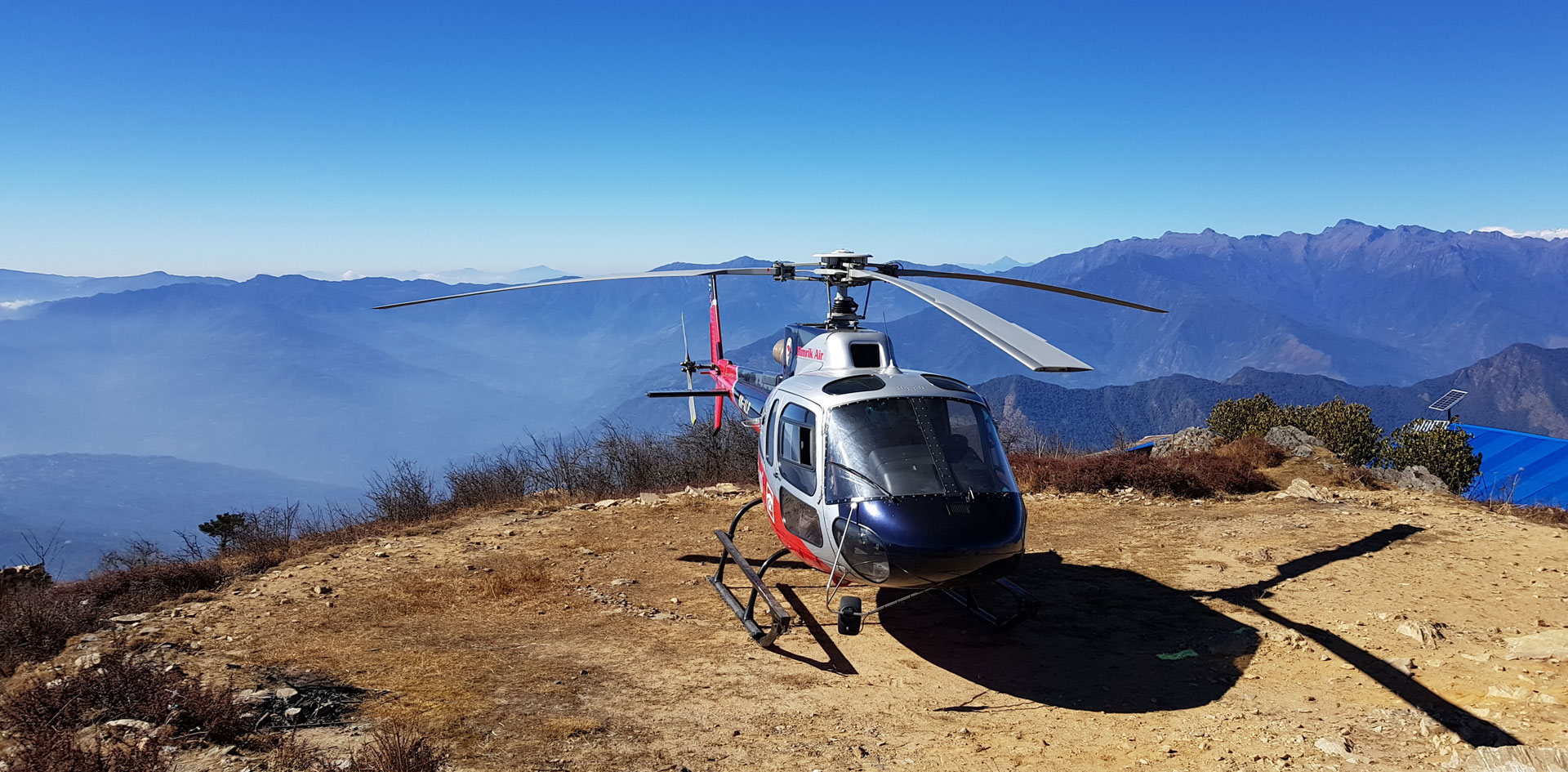
Pathivara Darshan from Dharan | SIMRIK AIR
